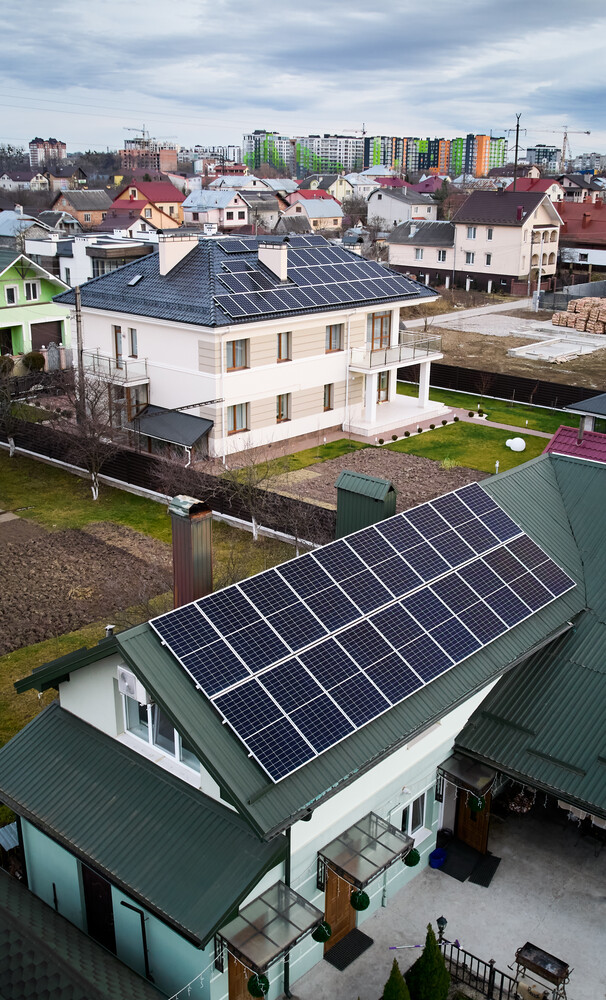
Solar Energy Systems for Your Home
Solar energy is the process of harnessing the sun's power to generate electricity. It works by converting sunlight into electricity, which can then be used to power homes and buildings. Solar panels are made up of photovoltaic cells that convert light into direct current (DC). This DC current can be stored in batteries or converted into alternating current (AC) for use in your home or building.
Types of Solar Systems
There are four types of solar systems:
- On-Grid: This is the most common type of system, where you connect your home or building to an existing electrical grid. The energy from your solar panels is sent back into that grid and you get credit for it at a reduced rate from your utility company.
- Off-Grid: If there isn't an existing electrical grid available in your area, then you might want to consider installing an off-grid system instead. With this type of setup, everything runs on batteries that store power generated by solar panels during daylight hours so that it can be used later at night or when there's no sun shining.
- Hybrid (Dual): A hybrid system combines both on-grid and off-grid components into one package -- you get both electricity from the utility company as well as some generated by your own home's solar panels.
Benefits of Solar Energy
The benefits of solar energy are numerous:
- Environmental: Solar power has no negative impact on the environment and produces zero emissions, unlike fossil fuels or nuclear power plants which can have harmful effects on air quality and wildlife.
- Financial: Solar panels pay for themselves over time through savings in electricity costs, while also providing a hedge against rising utility rates in many areas of North America -- which have been increasing by 5% per year since 2000.
- Independence: Homeowners with solar panels don't need to rely on outside sources for power generation or storage because they generate their own electricity right at home or work.
Solar Panels
Solar panels are made from different types of materials, including glass and plastic. The capacity of a solar panel is measured in watts (W). The higher the wattage, the more energy it can produce. Solar panels also have a lifespan that depends on their durability and quality.
On-Grid Solar Systems
On-grid solar systems are the most common type of solar energy system and are found in homes, businesses, and other buildings. These systems are connected to the utility grid and produce electricity when there is sufficient sunlight. When the sun isn't shining or at night, they draw power from the grid like any other appliance would.
On-grid solar systems work through net metering: when you generate more electricity than you use at any given moment during daylight hours, your electric meter runs backwards. This means that every kilowatt hour (kWh) generated by those panels gets credited towards reducing what you owe your utility company -- and vice versa.
Off-Grid Solar Systems
Off-grid solar systems are a great option for people who want to be completely independent from the grid. Off-grid systems are powered by batteries that store energy collected during the day, then provide power at night or during cloudy weather. The main benefit of off-grid solar is that you won't have to pay any electric bills.
You can also use an inverter to convert DC current into AC current so you can plug in appliances like televisions and computers. The systems start at around $3,000 for basic models and go up from there depending on how much power you need.
Hybrid Solar Systems
Hybrid solar systems are a combination of photovoltaic (PV) and thermal technologies. The PV panels generate electricity, while the heat pump uses that electricity to produce hot water or space heating. This means that hybrid solar systems can provide both electricity and heat for your home or business -- and they do so at a lower cost than purchasing these services from an outside supplier.
Hybrid solar systems are ideal for homes and businesses that have high electricity bills because they allow you to reduce your reliance on traditional energy sources like coal-fired power plants, which can be expensive and environmentally damaging. By using less fossil fuel energy, you'll also be helping protect our planet's environment by reducing carbon dioxide emissions into the atmosphere.
Solar Battery Systems
Solar battery systems are an excellent way to store energy for later use. They can be installed in homes, businesses, and other buildings, and you'll never have to worry about losing power during a blackout again.
Solar battery systems work by collecting solar energy during the day and storing it until you need it at night or on cloudy days. This means that you won't have to rely on traditional power sources like coal-fired plants or nuclear reactors anymore -- you'll always have access to clean energy.
The cost savings with solar battery systems are tremendous. For example, if your home uses 10 kilowatts per hour (kWh) per day, installing a 2 kW system would reduce your monthly electric bill by $100-$200 per month depending on where you live.
Installation Process
The installation process of solar panels involves several important steps:
- Roof Preparation: The first step involves preparing the roof for installation by cleaning off any debris and removing old shingles if necessary.
- Mounting System: The second step is to attach the mounting system to the roof using screws or bolts, which can be done by hand or with a power tool.
- Panel Installation: Once the mounting system is in place, the solar panels are installed and securely attached using fasteners such as clamps or rivets.
- Inverter Connection: Finally, an inverter -- a device that converts DC current into AC current -- is connected to bring all the panels together so they can generate electricity in unison.
Why Choose Solar Energy
Solar energy is one of the most powerful methods you can use to reduce your carbon footprint. The benefits of solar power are numerous, including:
- Renewable and Sustainable: Solar energy is an inexhaustible resource that will be available for billions of years.
- Clean Energy: It emits no greenhouse gases or pollutants during operation.
- Safe: It's safe for people and animals to live around, unlike other forms of energy production that may be harmful to health.
- Cost-Effective: With no recurring fuel costs once installed, you only pay for what you use.
TopEagle Construction can help you explore solar energy options for your home or business in the Northeast USA. Contact us today to learn more about how solar panels can reduce your energy costs and contribute to a cleaner environment.