Discovering the Benefits of PVC Roofs with TopEagle Construction LLC
Are you considering a new roofing solution for your home or commercial property? If so, PVC roofing could be the perfect option for you. In this post, we will explore what PVC roofing is, how it's used, when it's appropriate to use, its durability, and the pros and cons associated with it. We'll also introduce you to TopEagle Construction LLC, the go-to company for expert PVC roof installation.
What is PVC Roofing?
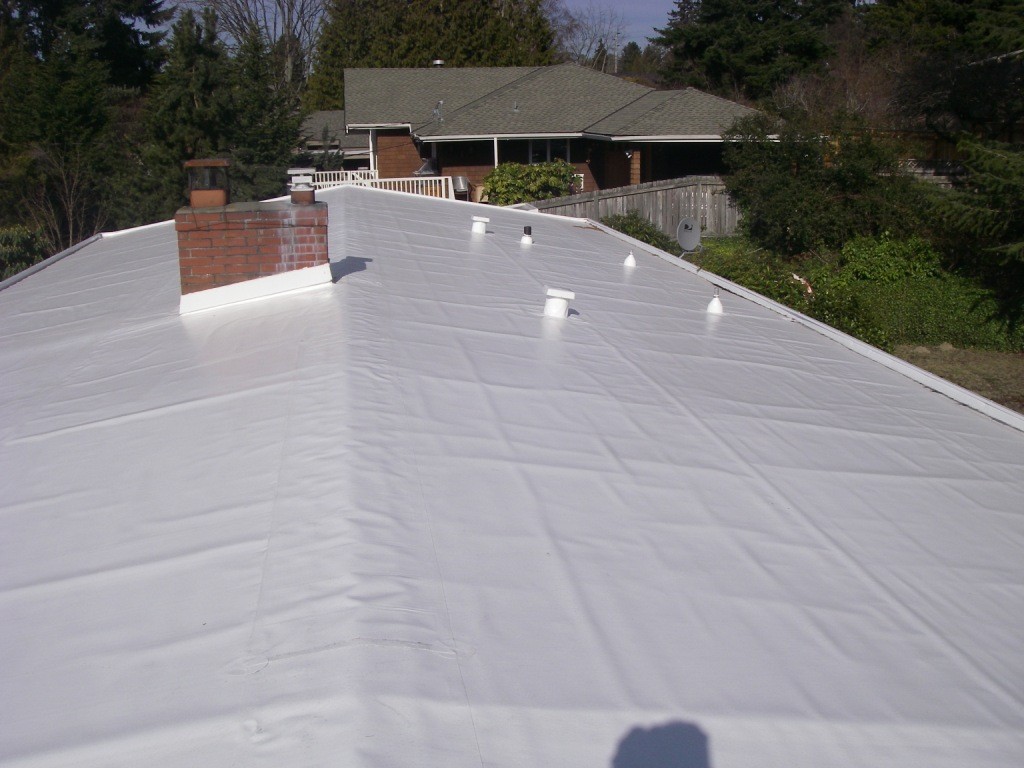
PVC (Polyvinyl Chloride) roofing is a type of single-ply membrane made from a durable, flexible plastic material. It has gained popularity in recent years due to its energy efficiency, low maintenance requirements, and long lifespan. PVC roofs are designed to withstand various weather conditions, making them suitable for both residential and commercial applications.
How to Use PVC Roofing
PVC roofing is typically installed in large sheets, which are heat-welded together at the seams to create a watertight, continuous membrane. This process ensures a secure bond and reduces the chances of leaks. It's essential to have an experienced roofing contractor, like TopEagle Construction LLC, handle the installation to ensure the best results and prevent any potential issues.
When is it Correct to Use PVC Roofing?
PVC roofing is a versatile option that can be used in various situations, including:
- Flat or low-sloped roofs: PVC roofing is ideal for flat or low-sloped roofs, where traditional shingles may not provide adequate protection against water and leaks.
- Commercial buildings: Due to its durability, low maintenance, and energy efficiency, PVC roofing is often used for commercial properties such as warehouses, offices, and retail spaces.
- Eco-friendly projects: PVC roofing is highly energy-efficient and can help reduce cooling costs, making it an excellent choice for environmentally-conscious property owners.
- Areas with harsh weather: The durability of PVC roofing makes it suitable for locations that experience extreme weather conditions, such as heavy snowfall or high winds.
Durability
One of the most significant advantages of PVC roofing is its durability. When installed correctly, a PVC roof can last up to 20-30 years with minimal maintenance. The material is resistant to punctures, tears, and UV damage, ensuring a long-lasting, dependable roofing solution.
Pros and Cons of PVC Roofing
Pros:
- Long lifespan: With proper installation and maintenance, a PVC roof can last up to 30 years.
- Energy efficiency: The reflective surface of PVC roofing helps reduce energy costs by reflecting sunlight and heat away from the building.
- Low maintenance: PVC roofs require minimal upkeep, making them a cost-effective choice for property owners.
- Resistance to chemicals: PVC roofing is resistant to most chemicals, making it suitable for industrial applications or areas with potential chemical exposure.
- Fire resistance: PVC roofing is fire-resistant and can slow the spread of flames in case of a fire.
Cons:
- Initial cost: The upfront cost of PVC roofing can be higher than other roofing materials, but the long-term benefits often outweigh this initial investment.
- Installation expertise required: Proper installation of a PVC roof is crucial for its success, so it's essential to choose an experienced contractor like TopEagle Construction LLC.
TopEagle Construction LLC: Your PVC Roofing Experts
When it comes to expert PVC roof installation, TopEagle Construction LLC is the company to trust. With years of experience and a dedication to customer satisfaction, TopEagle Construction LLC ensures that your PVC roof is installed correctly, providing you with a long-lasting, durable, and energy-efficient solution.
Don't hesitate to contact TopEagle Construction LLC for all your PVC roofing needs. Their team of experts is ready and eager to help you make the best decision for your property.