What is Shingle Roof Replacement?
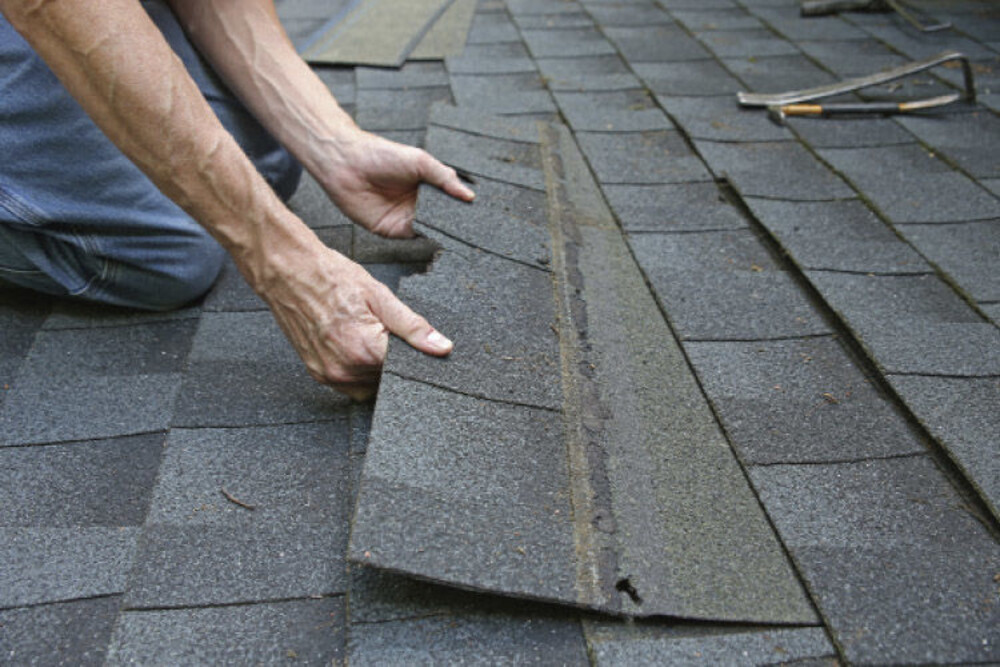
Shingle roof replacement is the process of replacing an old shingle roof. It involves removing all old shingles, underlayment and flashing from the structure of your home. Once this is complete, new materials are installed in their place.
How Long Does Shingle Roof Replacement Take?
The amount of time it takes to replace your roof depends on the size of your home and the number of layers of shingles that need to be removed. If you have a simple flat roof, it may only take a day or two. However, if there is an attic above your living space, this can add several days onto your project since there are more materials to remove and dispose of safely.
As with any construction project, weather conditions will affect how long it takes for you to get back up and running again. If it rains during the process (or even before), then everything will have to wait until after things dry out so no one gets hurt working on wet surfaces or slips in mud puddles while walking around outside!
What Level of Expertise is Necessary for Shingle Roof Replacement?
- You'll need to know the building codes and regulations in your area.
- You should have a good understanding of different types of shingles, including composition, asphalt and wood shakes.
- You should be able to install the new roof properly so it doesn't leak or cause other problems down the line.
What Are the Considerations for Shingle Roof Replacement?
When you're considering a shingle roof replacement, there are several factors to consider. The first is the cost of materials and labor. This can vary depending on where you live and whether or not your contractor has to travel long distances to get to your house.
Another thing that will affect the overall price is whether or not you plan on doing the work yourself. If so, then this will decrease costs significantly since there won't be any labor costs involved (unless they're doing something else).
Finally, there's also price fluctuations due to demand for certain types of shingles at different times throughout the year--for example: if it's wintertime when most people want new roofs installed then prices may go up because fewer suppliers are willing to sell their products at lower prices than usual due to low demand; however if it's summertime when homeowners aren't thinking about replacing their roofs quite yet then prices might drop slightly as suppliers try harder than ever before in order.
What Are the Preventions for Shingle Roof Replacement?
Before you start the process of replacing your roof, it is important to inspect your existing shingles for damage. If they're in good condition, you may be able to simply clean them and apply new sealant. If not, then it's time for a full replacement.
Next up: proper ventilation and air flow! The best way to ensure this is by installing vents on all sides of your home (including gable ends). These can either be traditional ridge vents or attic fans with power venting options available as well.
Finally comes installation--which should never be done by yourself unless you've got experience doing so! Hire an experienced contractor who will ensure everything goes smoothly from start-to-finish so that nothing gets missed along the way.
What Are the Limitations of Shingle Roof Replacement?
There are a few limitations to this method of roof replacement. The first is that you may not be able to remove all of your old shingles before replacing them with new ones. If there are multiple layers of shingles, it can be difficult to get them all off at once, especially if they're stuck together or warped by weather conditions.
Another limitation is that this option might not be ideal for you if you live in an area where demand for materials is high and prices are low, since it will cost more than other methods of replacement (such as metal roofs).
What Are the Possible Problems with Shingle Roof Replacement?
- Improper installation.
- Poor ventilation leading to mold growth.
- Poorly fastened shingles becoming dislodged and falling off the roof, which can be very dangerous if they land on someone or something below the roof.
What Are the Benefits of Shingle Roof Replacement?
There are many benefits to shingle roof replacement, including:
- Increased energy efficiency. The new shingles will be more durable and resistant to wind and water damage, which means they'll last longer than your current ones. This can help you save money on heating and cooling bills in the long run.
- Improved aesthetics. You'll love how much better your home looks with a new roof! And if you have any leaks or cracks in the old one, they'll be gone when we replace it with a brand-new one made from high-quality materials like metal or vinyl siding that won't need replacing for years--or even decades--to come!
What Is the Duration of a Shingle Roof Replacement?
The duration of a shingle roof replacement depends on several factors, including the size of your roof, how many layers of shingles need to be removed, whether or not structural repairs need to be made, etc. Under normal conditions, a residential reroofing takes 1-2 days to complete the job. On the other hand, if you only need to remove one layer from a relatively small area (eg, around an attic vent), you could do it in a day or less.
In addition to these factors that affect the time contractors spend on site, weather conditions can also affect how quickly they can work: rain can slow progress; extreme heat can make workers uncomfortable; Snowstorms may require additional costs for equipment rentals or labor overtime pay -- all things that add up over time!
What Is the Resistance of a Shingle Roof Replacement?
Shingle roof replacement is a common choice for homeowners who are looking to replace their old shingles.
The most important thing to consider when choosing a new roofing material is how well it will perform in your climate and environment. You want something that can stand up against strong winds, heavy snowfall, and hail storms without getting damaged or destroyed by them.
A good way to test this is by checking out some reviews online from other people who have had their own homes replaced with the same type of material you're considering using on yours--you'll get an idea of whether or not it's worth investing in!